A collection of notes on our biodiversity

by Adeleh

Strawberry tree with buff-tailed bumblebee - Photo: A. Davis

11.10.26

There have been lots of ravens (Corvus corax or Fiach dubh) chatting outside the office lately. They have a fluffy beak, a wedge-shaped tail, and are really big, though when they are up on the church tower it’s hard to tell. They traditionally lived up in the hills, but are increasingly found in lowlands and suburbs.

This photo is not a raven. I will try to take one over the coming days, but they are always in the top branches of the trees where I can’t see them.

A red admiral butterfly on cobblestones, with a raggedy left lower wing.

Red admiral butterfly - Photo: A. Davis

04.10.26

This morning, with the coming of the sun, there was a raggedy red admiral butterfly (Vanessa atalanta) in the car park, warming itself in a sunny spot. Red admirals are migratory, so this butterfly may attempt the journey south to mainland Europe for winter, but it is also possible it will overwinter here, awake or hibernating on the side of a tree or shed.

Conkers! - Photo: A. Davis

27.09.26

Last autumn was a mast year: a year when the weather conditions are perfect for trees and shrubs to produce as much fruit as possible. The year after a mast year is often a rest year, so they produce less, or even none. With this in mind, I went to look under the horse chestnut trees…and found so many shiny brown glorious conkers!

It is possible our trees have not read the science.

Wasp on ash and ivy leaves - Photo: A. Davis

20.09.26

Autumn wasps are lurking around the office. The door remains open, but the wasps are firmly ushered outside. At this point of the year, the social structure of their colony is in decline. The queen has died, and the males and workers are no longer committed to feeing young larvae and defending the nest. As a result, they roam widely (no longer restricted to a few hundred metres from the nest), seeking my apple juice and expressing their bad temper in gratuitous stings, before they too go to their graves. The young queens will hibernate and produce new nests next year, and the cycle will continue.

Hairy acorn cups, from the Turkey Oak

Hairy acorn cups - Photo: A. Davis

13.09.26

The acorns are just beginning to drop again! The Parish Office is just under four Turkey Oak trees, Quercus cerris, which are not native to Ireland (though widespread, especially in the east and south). One of the easiest ways to identify these oaks is the extremely hairy acorn cup. Fascinatingly, those very same acorns took about 18 months to mature before plopping onto the roof of the office. 

Seed heads in the long meadow - Photo: A. Davis

06.09.26

Outside the office, the small long-flowering meadow is beginning to seed. This is a time of year when it is difficult to resist the urge to tidy up and cut all the messy stuff, so we are doing well to hang on a few weeks till the seeds have dried and fallen. The dead seed heads are not as pretty as flowers, but they are food for birds and are the seed bank for future years. I am getting better at appreciating the beauty of seed pods seen through an open office door…

Treecreeper - Photo: John Fox, available: https://birdwatchireland.ie/birds/treecreeper/

21.06.26

Today’s surprise was a treecreeper! This week’s biodiversity note was going to be about herb Robert, because I took a lovely photo. But then I stood up, and there it was:


– on the trunk of one of the big oaks, creeping slowly upwards, hunting for insects in the fissures of the bark. A small brown bird, with a stiff tail to balance it, and a squeaky repeated call slightly like a goldcrest. A treecreeper! 

The photo was terrible, so I have had to use one from the internet, with many thanks to John Fox and BirdWatch Ireland. 

Meadow buttercups - Photo: A. Davis

14.06.26

The wild meadow patch outside the office has delicate yellow meadow buttercups cheering us up on these rainy summer days. The flowers of meadow buttercup are a little bit smaller than the common creeping buttercup, and it is poisonous – to us, but not to the pollinators out there.

Common carder bumblebee - Photo: A. Davis

07.06.26

A common carder bumblebee (with the gorgeous Irish name of Bumbóg Charda Choiteann) was out foraging on our wildflowers this morning. This is the most commonly seen bumblebee, with a lot of really obvious gingery hairs all over.

Germander speedwell - Photo: A. Davis

10.05.26

There is germander speedwell growing in the longer grass outside the office. It’s a beautiful blue, an unobtrusive but really delightful flower. Apparently one of the ships that sailed with the Mayflower in 1620 was named the Speedwell, but it turned back because it was unseaworthy: possibly sabotaged by the crew who wanted to stay at home!

Holly blue butterfly - Photo: A. Davis

03.05.26

This week has been sunny enough for the first holly blue butterflies (Celastrina argiolus) – usually the first blue butterflies to emerge in spring. Holly blues are really interesting because they have two broods of young in a year. Initially, in spring, they need soft buds of holly trees for their caterpillars to eat, but by the time they are laying their second brood, in summer, the holly buds are too hard and tough. At that point the second brood feeds on ivy, so it is important to have holly and ivy growing together.

Orbweaver spider - possibly Cyclosa conica - Photo: A. Davis

26.04.26

Today, at the back of one of the yew trees in a sunny spot, you could have seen a truly tiny Cyclosa spider (possibly Cyclosa conica). Cyclosa is a type of orbweaver spider which builds an almost unnoticeable web, with a vertical central strand covered with tiny bits of rubbish, by way of disguise for the spider. With a hand lens, it’s spectacular.

Wild garlic - Photo: A. Davis

19.04.26

Under the oaks near the office, there are ramsons or wild garlic (Allium ursinum) emerging. This is particularly welcome given the quantity of three-cornered leek (Allium triquetrum) elsewhere in the church grounds: the three-cornered leek is invasive, and it will gradually drive out the wild garlic unless it is removed. Wild garlic is often used to make pesto, or the flower buds can be pickled. In a few weeks we will have a carpet of starry white flowers under the trees, and a smell of garlic in the office!

Dog violets - Photos: A. Davis

08.03.26

We have violets! They are (almost certainly) common dog violets (Viola riviniana). These violets are very valuable for biodiversity, because they are the main food plant for the caterpillars of the silver-washed fritillary butterfly (woodlands) and the dark green fritillary (grasslands). Without dog violets, we have no fritillaries…and butterflies are utterly gorgeous beasts.

Daffodils along the Choristers' Walk - Photo: A. Davis

01.03.26

There is the most stunning display of daffodils along the Choristers’ Walk from the pedestrian gate at the West side of the church, planted by the Task Force. The path is carefully maintained by the team, and it really is a sight to behold. Daffodils are such cheering flowers when winter has been long – and wet – and a walk that way lifts the spirits hugely. Thanks everyone!

Snowdrops - Photo: A. Davis

22.02.26

The incessant rain is slightly preventing biodiversity observations, but at some point recently there were soggy chaffinches on the birdseed holder…and a clump of actual snowdrops has been spotted on the west side of the grounds. 

Hellebore - Photo A. Davis

Spring starflowers - Photo A. Davis

15.02.26

As the bulbs open, there are lots of surprises: the snowdrops by the gate are not snowdrops at all, but have mysteriously turned into grape hyacinths, and there is a delightful blue patch of spring starflowers under the yew tree by the office.  

Hellebore - Photo A. Davis

Cherry tree - Photo: A. Davis

08.02.26

We are starting to look for the first signs of spring: the Mothers’ Union cherry tree (from around 2008) is in blossom, the hellebores are flowering and some of the bulbs are beginning to bloom as well. These are all valuable nectar sources for bees. Bumble bee queens are especially reliant on these in early spring, when they are most vulnerable after emerging from hibernation. At this time the queens are looking after their nest alone until the first worker bees mature. According to Dr Una FitzPatrick of the All-Ireland Pollinator Plan, ‘the queen’s first task, on emerging from hibernation, is to find a nest site and then to collect pollen to feed the first batch of young. Almost all of the 21 different types of bumblebees we have in Ireland make their nest on the surface of the ground or just underneath. Undisturbed long grass or the longer grass at the base of a hedgerow are perfect sites.’ (see the rest of her excellent article here: https://pollinators.ie/bees-are-good-for-you/).

Wren - Photo: gardenbirdwatching.com

01.02.26

There was a wren in the brush pile in the rain recently. Wrens have huge voices, and in folklore they are supposed to possess wit and sagacity to match, giving them the title ‘King of the Birds’ – despite their minute size. They eat insects, spiders and invertebrates, and have no need of our bird feeder – which makes it a great honour to host one just the same. In winter they may roost in communal huddles to keep warm. Keeping warm in winter is difficult when you are as small as a wren. Finally, the wren has a most wonderful Latin name: Troglodytes troglodytes!

Peregrine falcons - Photo A. Davis

25.01.26

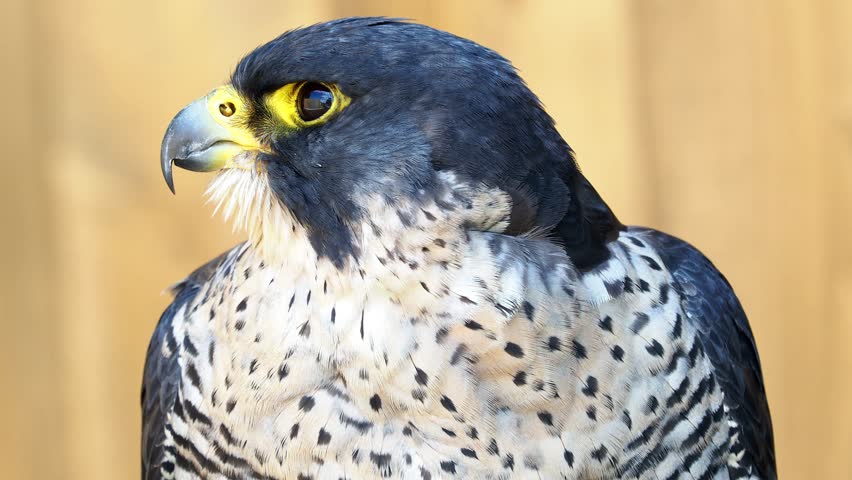
Last week two peregrines were perched on the crosses high on the church tower, with a rare bright blue sky as the background. One peregrine was plucking a pigeon for an early lunch, and the pigeon feathers were showering down like confetti, all the way to the gravel beneath.

Coal tit - Photo: gardenbirdwatching.com

18.01.26

The bird feeder is proving very popular over the last few weeks, with great tits, coal tits and blue tits using it. There are blackbirds foraging in the leaves beneath, and robins using the branches of the brash pile to sit and sing. A quick listen with the bird ID app Merlin suggests there are also magpies, chaffinches, woodpigeons, goldcrests and crows in the trees today. Thankfully the visiting cat hasn’t been around in the cold weather, so there are no known cat-related fatalities as yet.

Great tit - Photo: gardenbirdwatching.com

Peregrine falcon - Photo: goodfreephotos.com

11.01.26

Excitingly, there were peregrine falcons on the church tower over the Christmas period! Their call is distinctive and they can be easily identified from that alone. They have been here for some years, apparently – perhaps the church tower is a useful perch to view the area? In winter they may move inland to urban areas, eating pigeons and other birds, and they nest on cliffs and tall buildings.  

21.12.25

Now the trees have lost their leaves, the compost bin is full of them. Since lots of the leaves are oak, which breaks down well, it’s going to make the most fantastic leaf mould! When the leaves are left lying on the ground (as they are in some places in the church grounds) they make up a vital winter habitat for many species of flying insects, as well as providing foraging for insect-eating birds over the winter.

Oak leaves - Photo: A. Davis

Mystery vetch - Photo: A. Davis

07.12.25

In the grass outside the Office door, there are lots of tiny vetch plants growing. It is difficult to tell which species without seeing the flowers, but they may be bush vetch. All the vetches belong to the pea family and are edible – but please don’t eat them without more expert advice than this!

Snowdrop leaves - Photo: A. Davis

30.11.25

There are snowdrop leaves appearing by the main gate! This is very exciting. There are also firethorn berries in two colours, which are both beautiful and a really excellent food resource for birds. Blackbirds in particular are very fond of firethorn.

Firethorn berries - Photo: A. Davis

Three-cornered leek - Photo: A. Davis

23.11.25

Over on the west side of the grounds, clusters of cyclamen and three-cornered leek are starting to emerge. Unfortunately, as an officially invasive plant, the three-cornered leek will eventually take over (unless some kind soul takes their trowel to it). It is edible and can be used in place of onions. 

Squirrel hiding in oak tree - Photo: A. Davis

16.11.25

This week, in between the downpours of rain, I watched two squirrels in our Turkey Oak trees. It was difficult to tell if they were arguing or chatting, but they were very vocal. They are outside as she is writing this, saying rude things to the little tabby cat who wanders round the church grounds.

Strawberry tree - photo: A. Davis

09.11.25

I am delighted to find out that the Strawberry Tree is nearly nine years old. It was planted by Bray Guides as part of their centenary celebrations in February 2017. This is lovely to know, and it is wonderful to have such a lasting legacy from Bray Guides.

Fruit of strawberry tree - Photo: A. Davis

02.11.25

The Strawberry Tree by the front gate, while not as remarkable yet as the one at the RTE studios (more than 100 years old), is looking beautiful. This is one of the rare trees that has fruit and flower at the same time, and since it flowers from October – March, it is a valuable food source for pollinators out of season. Astonishingly, the nectar contains properties that are biologically active against a bumblebee gut parasite, so this tree is significant in preventing pollinator decline.

Ivy-leaved toadflax - Photo: bugwomanlondon.com

26.10.25

There is ivy-leaved toadflax on the front wall of the church grounds, hidden under the firethorn. This plant is very clever at planting seeds – the flowers face the sun till the seeds are ready, and then turn to face the wall to enable the seeds to get into cracks and crannies!

19.10.25

Last week Catherine spotted a raven on the spire of the church, croaking away at 8am! If you identify birds, plants, animals or insects on the church grounds, would you let me know? It’s for a record of our biodiversity.

Common raven - Photo: "Corvus corax Common Raven" by Davidhofmann08 via Flickr, Creative Commons Attribution.

Jackdaws - Photo: gardenbirdwatching.com

12.10.25

This week I have been watching a small flock of jackdaws outside her office. One is leucistic (with white feathers), so it is easily recognisable.

Turkey oak acorns - Photo: C. Smith


05.10.25

This month is all about autumn leaves and natural fruits: I have been surprised by the sound of acorns plopping on my office roof for the past few weeks. Graham has kindly put up a bracket for a bird seed holder, so I can get a better view of the birds in the church grounds.